|
The trend towards global abolition continues, despite holdout retentionist countries ͏ ͏ ͏ ͏ ͏ ͏ ͏ ͏ ͏ ͏ ͏ ͏ ͏ ͏ ͏ ͏ ͏ ͏ ͏ ͏ ͏ ͏ ͏ ͏ ͏ ͏ ͏ ͏ ͏ ͏ ͏ ͏ ͏ ͏ ͏ ͏ ͏ ͏ ͏ ͏ ͏ ͏ ͏ ͏ ͏ ͏ ͏ ͏ ͏ ͏ ͏ ͏ ͏ ͏ ͏ ͏ ͏ ͏ ͏ ͏ ͏ ͏ ͏ ͏ ͏ ͏ ͏ ͏ ͏ ͏ ͏ ͏ ͏ ͏ ͏ ͏ ͏ ͏ ͏ ͏ ͏ ͏ ͏ ͏ ͏ ͏ ͏ ͏ ͏ ͏ ͏ ͏ ͏ ͏ ͏ ͏ ͏ ͏ ͏ ͏ ͏ ͏ ͏ ͏ ͏ ͏ ͏ ͏ ͏ ͏ ͏ ͏ ͏ ͏ ͏ ͏ ͏ ͏ ͏ ͏ ͏ ͏ ͏ ͏ ͏ ͏ ͏ ͏ ͏ ͏ ͏ ͏ ͏ ͏ ͏ ͏ ͏ ͏ ͏ ͏ ͏ ͏ ͏ ͏ ͏ ͏ ͏ ͏ ͏ ͏ ͏ ͏ ͏ ͏ ͏ ͏ ͏ ͏ ͏ ͏ ͏ ͏ ͏ ͏ ͏ ͏ ͏ ͏ ͏ ͏ ͏ ͏ ͏ ͏ ͏ ͏ ͏ ͏ ͏ ͏ ͏ ͏ ͏ ͏ ͏ ͏ ͏ ͏ ͏ ͏ ͏ ͏ ͏ ͏ ͏ ͏ ͏ ͏ ͏ ͏ ͏ ͏ ͏ ͏ ͏ ͏ ͏ ͏ ͏ ͏ ͏ ͏ ͏ ͏ ͏ ͏ ͏ ͏ ͏ ͏ ͏ ͏ ͏ ͏ ͏ ͏ ͏ ͏ ͏ ͏ ͏ ͏ ͏ ͏ ͏ ͏ ͏ ͏ ͏ ͏ ͏ ͏ ͏ ͏ ͏ ͏ ͏ ͏ ͏ ͏ ͏ ͏ ͏ ͏ ͏
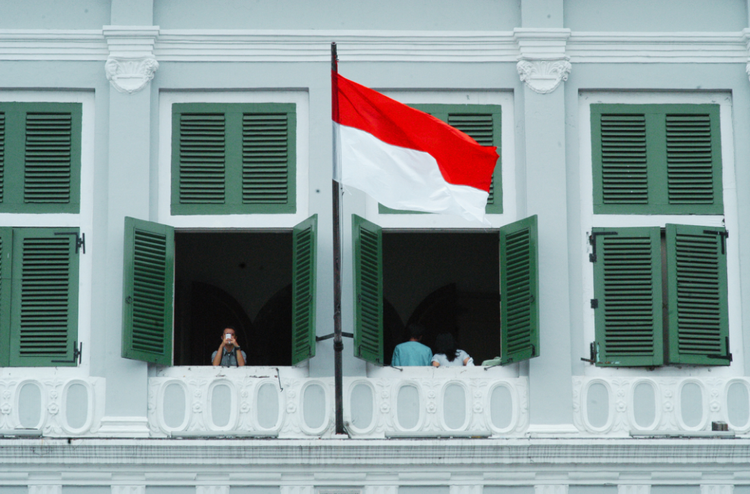
Indonesia has today become a de facto abolitionist state
|
|
Today, we recognise and celebrate an important milestone for Indonesia, and the global movement against the death penalty.
|
|
Four people were executed in Indonesia on 29 July 2016. They were Humphrey Jefferson Ejike Eleweke (Nigeria), Michael Titus Igweh (Nigeria), Freddy Budiman (Indonesia) and Seck Osmane (Senegal).
|
|
Since then, Indonesia has not carried out any executions, despite having over 500 people on death row – the majority of whom were sentenced to death for drug-related offences.
|
|
According to United Nations standards, this sustained pause on executions renders Indonesia a de facto abolitionist state. While courts still issue death sentences, the absence of executions for a decade demonstrates a profound shift in the state’s approach to capital punishment.
|
|
In 2023, Indonesia revised its Criminal Code, retaining the death penalty strictly as a “last resort” punishment. Further, the new framework introduced a ten-year probationary period for death sentences, serving as a ‘grace period’, during which an individual won’t be executed. This period allows courts to consider a defendant’s remorse, potential for improvement, and their role in the crime, with the potential to commute their death sentence to a life sentence.
|
|
These reforms are commendable and recognise that individuals, as well as justice systems, are capable of change.
|
|
In his address at the World Congress Against the Death Penalty earlier this month, Australia’s Special Envoy for International Human Rights, the Hon Mark Dreyfus MP acknowledged Indonesia’s decade of restraint, and encouraged all who oppose the death penalty to fight complacency as these milestones occur:
|
“It should prompt a broader reflection. A de facto moratorium is significant, and it is to be welcomed, but it is not an endpoint. The challenge for us all is to build on that progress.” The Hon Mark Dreyfus MP, July 2026
|
|
With the Asia-Pacific region accounting for some of the highest numbers of executions globally, Indonesia’s moratorium positions it as a potential regional leader. This progress is an example to other nations in the region to follow suit, joining the global trend where close to three quarters of countries have abolished the death penalty in law or practice.
|
|
We congratulate the Government of Indonesia on this decade-long milestone. It reflects a thoughtful approach to justice and offers hope for the future. Yet, the work continues. CPJP has joined the Anti-Death Penalty Asia Network, Indonesian rights groups and a number of other partner organisations in a statement outlining how this moment positions Indonesia in the global abolitionist movement.
|
|
Together, we call on Indonesia to take the final steps toward formal abolition, to align its sentencing practices with international human rights law, and to ensure that the voices of those on death row, and the defenders fighting for them, are heard without fear. Change is possible. As we celebrate this anniversary, let us strengthen our efforts to turn this de facto status into permanent abolition.
|
|
We still need your support to continue our important work fighting to end the death penalty. If you are inspired by milestones like Indonesia’s, please consider donating to reinforce CPJP’s ability to hold states accountable, and to advocate for those most impacted by capital punishment. Donating makes a significant impact.
|
Global death penalty updates
|
|
So far in 2026, 19 people have been executed in the USA, all via lethal injection. This includes James Duckett and Dominick Occhicone, who were both executed yesterday in Florida – the first time in over 60 years that the state has carried out multiple executions in one day. These took place despite substantial arguments for clemency in both cases. At almost 81-years-old, Occhicone was the second-oldest person executed in the USA.
|
|
The Islamic Republic of Iran has now executed at least 26 people for their connection to the January protests. Horrifically, on 28 July two protestors were hanged in public, with reports of a bolstered security force using tear gas to threaten those who turned up to protest against these executions. UN Special Rapporteur Mai Sato asserts that public executions “are designed to instil fear and to consolidate State authority through the spectacle of death, exposing the public, including children, to serious psychological harm.” More protestors remain at imminent risk of execution.
|
|
On 23 July, Singapore carried out their 3rd execution in less than three weeks, and the 15th for the year. All three men were executed for drug-related offences. This insightful post by journalist Kirsten Han explores how the Singaporean media remains largely silent on the state’s increasing use of the death penalty, even while the international community criticises the state’s approach, especially for drug offences.
|
|
In positive news, the 9th World Congress Against the Death Penalty took place over three days in Paris from 30 June to 2 July, where inspiring steps towards global abolition were made tangible. This included significant policy announcements, such as Lebanon committing to abolishing the death penalty.
|
“Perhaps it is precisely because my country has been plagued by violence for so long that this determination takes on its full meaning… The Lebanese judicial system must no longer be called upon to take a life”. Adel Nassar, Lebanon Minister of Justice
|
|
Also at the World Congress, Sierra Leone announced their ratification of the Second Optional Protocol to the International Covenant on Civil and Political Rights – a step that binds them against ever reintroducing the death penalty. In addition, Cambodia, Chad, and the Central African Republic committed to ratifying the Second Optional Protocol.
|
Ways you can support our work
|
|
Don’t forget you can own a t-shirt or tote bag featuring the artwork Myuran Sukumaran created while on death row in Indonesia. We are able to offer these wonderful items thanks to the generosity of Myuran’s family and our collaboration with the Campbelltown Arts Centre and Das T-Shirt Automat.
|
|

|
You can also purchase a copy of The Penalty is Death. Released in 2022, and available as a paperback or e-book, this updated edition of the classic 1968 study of capital punishment includes a new introduction by Barry Jones AC, who kindly donates all proceeds to CPJP. |
|
|
|
|
Drawing on a wide range of historical and contemporary sources, The Penalty is Death presents an overview of the legal, political and philosophical arguments for and against capital punishment, as well as firsthand accounts of executions and their aftermaths. It was first published following the hanging of Ronald Ryan in 1967, the last person to be executed in Australia.
|
|
We have partnered with Willed, who provide a simple, cost-effective means to write your will and, if you wish, to leave a bequest to CPJP.
|
|
If you would like to apply for our overseas volunteer program in the United States of America, please get in touch.
|
|
|
|